The Righteous Hoodie Color Range: How Do You Pick the One That’s Right for You?
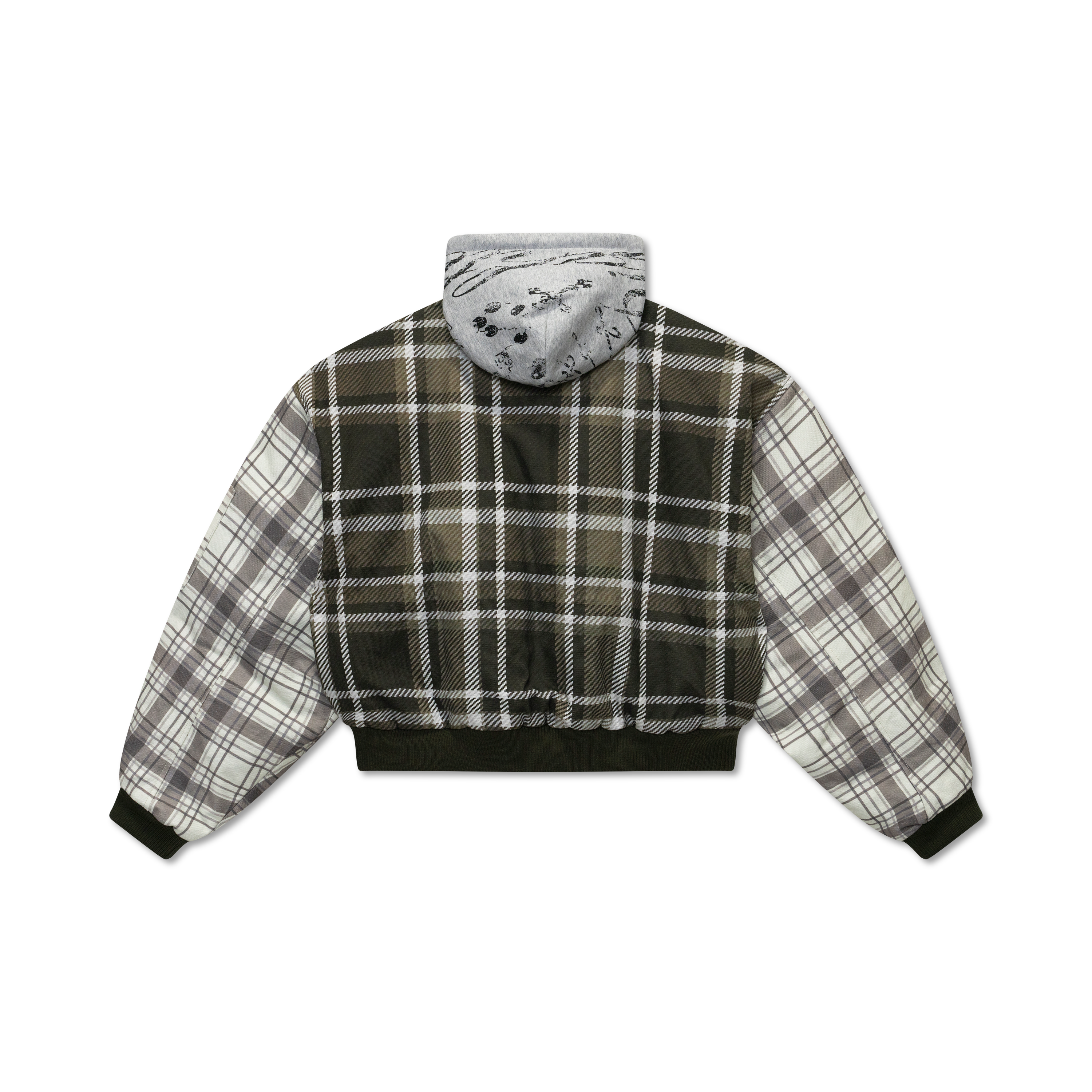
Settling on a hoodie tone comes across as a trivial choice until it makes its way into your closet and either gets worn weekly or goes unworn. We Are Righteous built its hoodie collection around precisely this issue, offering a array of tones that cover neutral basics, bolder standout colors, and a few in-between options that work across seasons. This piece lays out how to think about colorway selection, what each tonal category conveys, and how the choice affects styling, upkeep, and long-term wear. Whether you’ve just discovered the righteous clothing brand or already own a piece and are deciding what to add next, the point of this is to make the decision quicker and more certain.
Picking the right tone in streetwear isn’t just aesthetic noise. It determines how often a piece really gets worn, how it photographs, how it pairs with the other pieces someone owns, and how tolerant it is of repeated washing and everyday use. A hoodie in the wrong shade for someone’s daily rotation becomes a once-a-month item; the right one becomes a weekly staple. That difference counts for more than most buyers realize when they’re scrolling product pages and picking based on a single photo.
Why Colorway Choice Matters More Than People Think
Most people gravitate toward black or grey because they presume neutral tones are the low-risk pick, and more often than not they’re right. But low-risk doesn’t always mean best-suited to someone’s current closet or complexion. A cool-leaning grey looks different under office fluorescents than it does in daylight, and a warm-leaning neutral can fight against certain jean shades or jacket colors already part of the wardrobe. The Righteous design process takes this into account by maintaining consistent dye lots, which matters because dye-lot variation are one of the most common complaints in budget streetwear — shades vary order to order and buyers end up with two “black” hoodies that aren’t truly the same shade.
There’s also a real-world washing consideration. Deeper shades mask pilling and minor stains longer, which extends the visual lifespan of a garment from wash to wash. Lighter and pastel-adjacent shades reveal wear sooner but photograph better for content-heavy shoppers https://righteous.eu.com/t-shirts/ who share fit pics often. Anyone checking a Righteous review beforehand will usually see this trade-off mentioned — buyers care about how a hoodie looks in month six, not just when it first arrives. The weight of the fabric also interacts with color: heavier cotton blends tend to retain bold colors more effectively over repeated washes than thinner fabrics, which fade faster no matter the dye quality.
Breaking Down the Righteous Hoodie Colorway Families
The full righteous hoodie range typically divides into three usable categories for customers looking to create a coherent wardrobe: foundational neutrals, richer statement colors, and crossover colorways. Core neutrals include black, charcoal, and off-white — these are the colorways that slot easily into almost any existing wardrobe without needing a reconsideration of accompanying pieces. Richer standout colors encompass shades like deep burgundy, forest, or navy, which carry extra character without straying into anything that limits styling flexibility. Crossover colorways fall between the two, typically softened or faded takes that suit three seasons but appear subtly different according to lighting conditions and what they’re paired with.
Being clear on which family a tone is part of helps customers avoid over-buying in one narrow category. A common mistake is buying three hoodies that are nominally distinct in color but functionally identical in how they style — a trio of dark neutrals, for example, when one dark neutral and two more distinct tones would create more outfit variety. This is a detail that isn’t visible in a lone product shot but becomes obvious once a person has multiple pieces from the same collection.
Aligning Hoodie Colorways with Skin Tone and Wardrobe
One’s undertone affects how a shade appears considerably more than most buyers account for. Warmer undertones tend to suit olive, rust, and warm neutral shades, while cooler undertones tend to favor true black, navy, and frosty grey tones. It’s not an absolute rule, but it explains why the same hoodie can appear great on one person and slightly washed-out on another even with the same cut and material. Anyone unsure of their undertone can run a simple test: gold jewelry that shows up nicer than silver against the skin generally points to warm undertones, and the reverse usually signals cool undertones.
Existing wardrobe matters just as much. Anyone whose closet trends toward warm earth tones — olive jackets, brown boots, tan pants — will find greater use in a righteous hoodie in a complementary color than from a stark black piece that forces the creation of an entirely separate outfit around it. The most efficient wardrobe-building approach is to pick a colorway that links at least two existing outfit categories rather than one that only works with a single pair of pants already owned.
Weighing the Main Righteous Hoodie Colorways Against Each Other
The chart that follows breaks down the core colorway options based on versatility, seasonal wear, and upkeep — three factors that prove more important in everyday wear than how they strike you at first sight.
| Color Option | Best For | Seasonal Range | Maintenance Level |
|---|---|---|---|
| Black | Daily wear, easy layering, and a low-fuss wardrobe cycle | All seasons | Low — masks fabric pilling and small marks well |
| Grey, Charcoal Shade | Business-casual looks, neutral wardrobes, cooler color palettes | Fall through spring | Moderate — shows fuzz to a greater degree than black |
| Off-White | Content creators, summer-ready looks, attention-grabbing pieces | The spring-summer stretch | Significant — demands more frequent laundering |
| Rich Deep Burgundy | Warm complexions, fall wardrobes, and bold pieces | Autumn into winter | Moderate — deep shade conceals most wear |
| Forest Green | Earthy color palettes, outdoor-inspired outfits | Autumn into early spring | Fair — fading visible after several washes |
This comparison isn’t about rating colorways as superior or inferior — the goal is pairing upkeep willingness and time-of-year preferences to the best-suited choice. A buyer who wears hoodies daily and washes infrequently should lean toward black or burgundy. Off-white earns its keep for those building a summer core rotation, even though it calls for more upkeep.
How Color Choice Influences Durability and Cost-Per-Wear
Using a cost-per-wear lens is worthwhile for buying a hoodie, since outerwear and mid-layers get worn much more than most wardrobe items. A hoodie reaching for twice weekly over a year hits 100 wears, while one worn two times a month nets around 24. Colorway is one of the biggest drivers of that frequency gap, because a shade that clashes with half a wardrobe simply won’t get reached for as often, regardless of how good the fabric or fit is.
Since they resist visible wear longer and pair with a broader wardrobe, deeper tones in the We Are Righteous lineup tend to deliver better cost-per-wear figures. This isn’t a criticism of lighter tones — it’s just a factor that should factor into the decision, especially for buyers making their first purchase from the brand and figuring out where to begin. To maximize use, new shoppers should generally begin with a neutral before moving toward statement tones, after the neutral earns its keep in rotation.
How Colorways Perform Over Time, According to Reviews
A handful of recurring themes show up again and again in customer reviews across colorways. Color retention after multiple washes is the most commonly cited point in a we are righteous review, with darker tones typically rated higher for retaining depth of color after 15-20 washes compared to lighter tones, which show more visible fading over that same span. Fit consistency across colorways is another point reviewers bring up — buyers report that sizing feels the same regardless of shade, which suggests dye processes aren’t affecting fabric shrinkage or stretch in noticeable ways.
Buyers likewise point out how the color pick affected their styling range long after the sale, not merely at checkout. A number of them observe that a standout hoodie picked up in a muted colorway evolved into a rotation staple, while more attention-grabbing picks were used more selectively for specific outfits. This lines up neatly with the cost-per-wear reasoning outlined previously and reinforces that color picks should be made with wear six months down the line in mind, not just how it photographs at the point of purchase.
Last Word on Colorway Choice
There’s no one-size-fits-all shade, only one matched to an individual’s skin tone, existing wardrobe, climate, and washing habits. For someone building a first capsule around We Are Righteous pieces, priority should go to a core neutral ahead of deeper or more seasonal tones, mainly because neutral shades blend in sooner and confirm fit and fabric quality before any larger spend. By contrast, buyers with an already-established warm-toned wardrobe should go straight for burgundy or forest green instead of automatically picking black just because it’s the obvious choice.
Colorway, as the bigger lesson shows, is far from a superficial detail in the righteous clothing range — rather, it’s a practical call with real consequences for how often a piece gets worn and how well it ages in appearance. What distinguishes an everyday-favorite hoodie from a shelved, forgotten one is matching color to lifestyle, not just to a single outfit photo.